Here are the essential packing guide for a successful gorilla trekking safari.
1. Sturdy Hiking Boots
Choose comfortable, waterproof hiking boots with good ankle support and a strong grip. The forest terrain can be steep, muddy, slippery, and uneven, so proper footwear is essential.
2. Long-Sleeved Shirts and Trousers
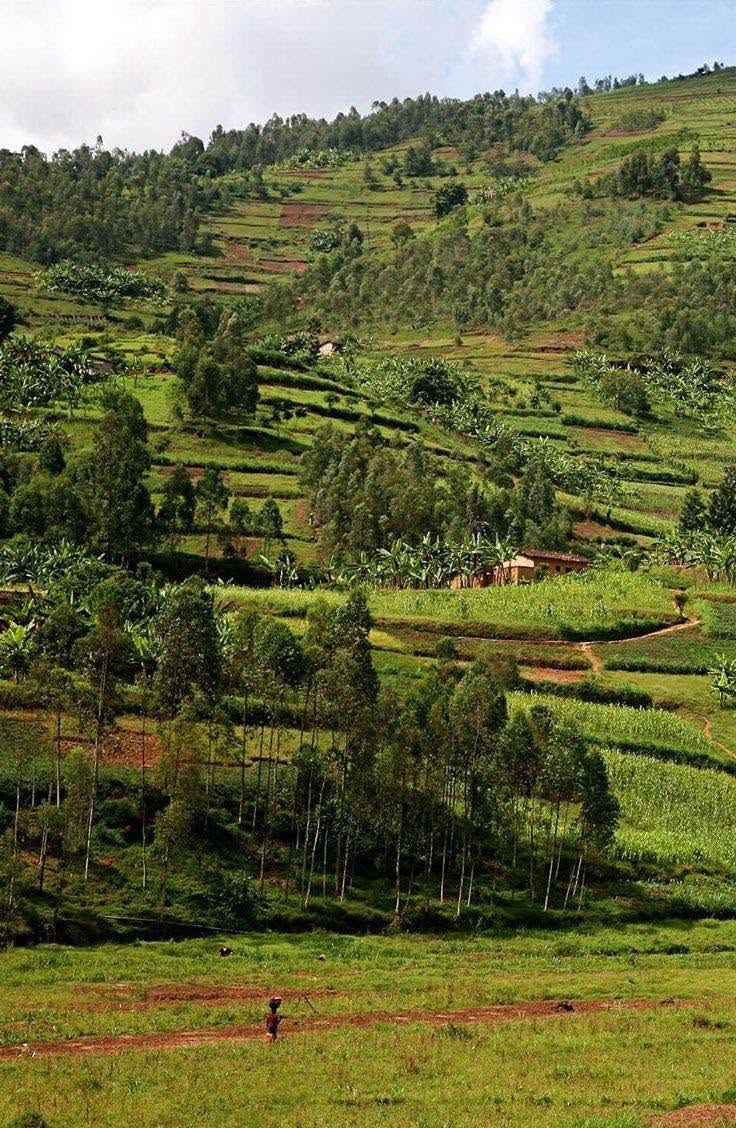
Wear lightweight, breathable long-sleeved shirts and long trousers to protect yourself from scratches, stinging plants, insects, and dense vegetation. Neutral colors such as green, brown, and khaki are ideal.
3. Waterproof Jacket and Rain Gear
Rain can occur at any time in the mountains, even during the drier seasons. Carry a lightweight waterproof jacket or poncho to stay dry and comfortable throughout your trek.
4. Gardening Gloves
A pair of sturdy gardening gloves can protect your hands when holding vegetation for balance while navigating steep or muddy trails.
5. Daypack and Water Bottle
Bring a small, comfortable backpack to carry your essentials. Pack sufficient drinking water to stay hydrated, along with energy snacks such as nuts or energy bars, subject to park guidelines.
6. Insect Repellent and Sunscreen
Although much of the trek takes place in forested areas, you may be exposed to sunlight and insects. Carry insect repellent, sunscreen, and a small bottle of hand sanitizer.
7. Hat and Personal Essentials
A lightweight hat to protect you from the sun, while tissues, personal medication, and a small first-aid kit may come in handy. If you use prescription medication, keep it easily accessible.
8. Camera and Binoculars
Bring a camera or smartphone to capture memories, and consider binoculars for observing wildlife. Avoid flash photography when photographing gorillas, and always follow your guide's instructions.
9. Important Travel Documents
Keep your passport, gorilla trekking permit, travel insurance details, and other essential documents secure. Confirm your permit arrangements and trekking information before departure.
10. Consider Hiring a Porter
Hiring a local porter can make your trek easier, especially on challenging terrain. It also provides valuable support and income to local communities.
Final Tips for a Successful Gorilla Trek
Pack light, dress in layers, and prepare for changing weather conditions. Follow your professional guide's instructions, maintain the required distance from gorillas, and respect all park conservation guidelines.
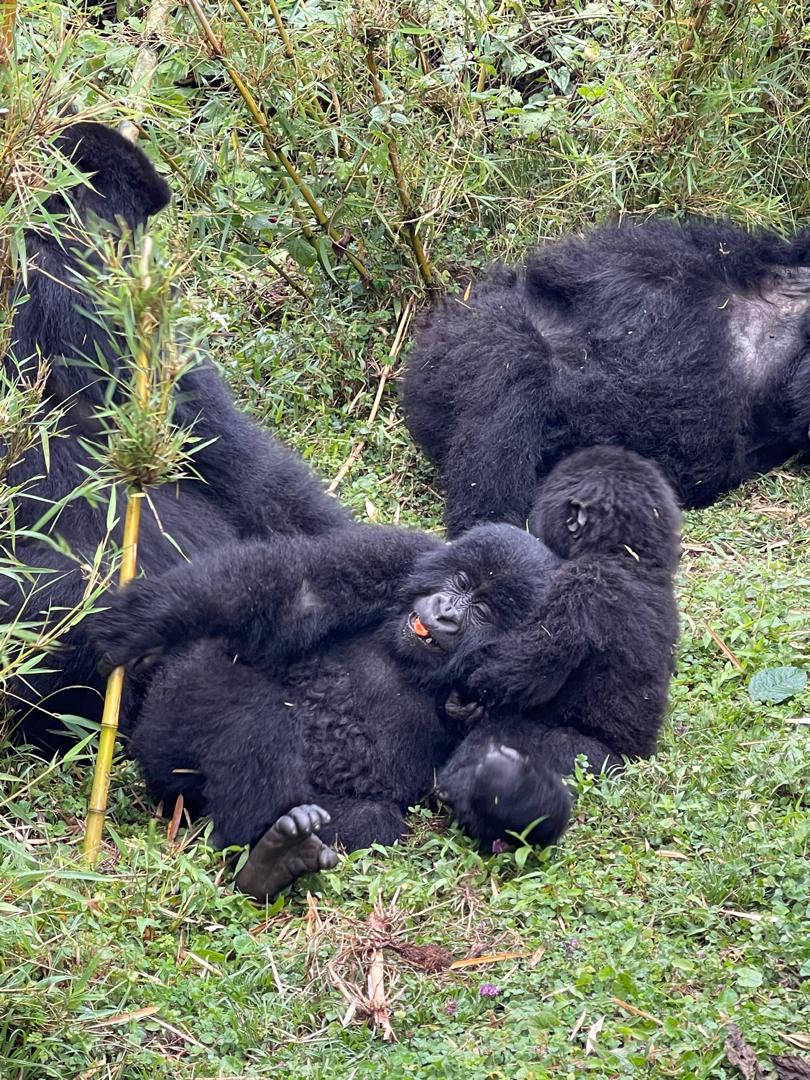
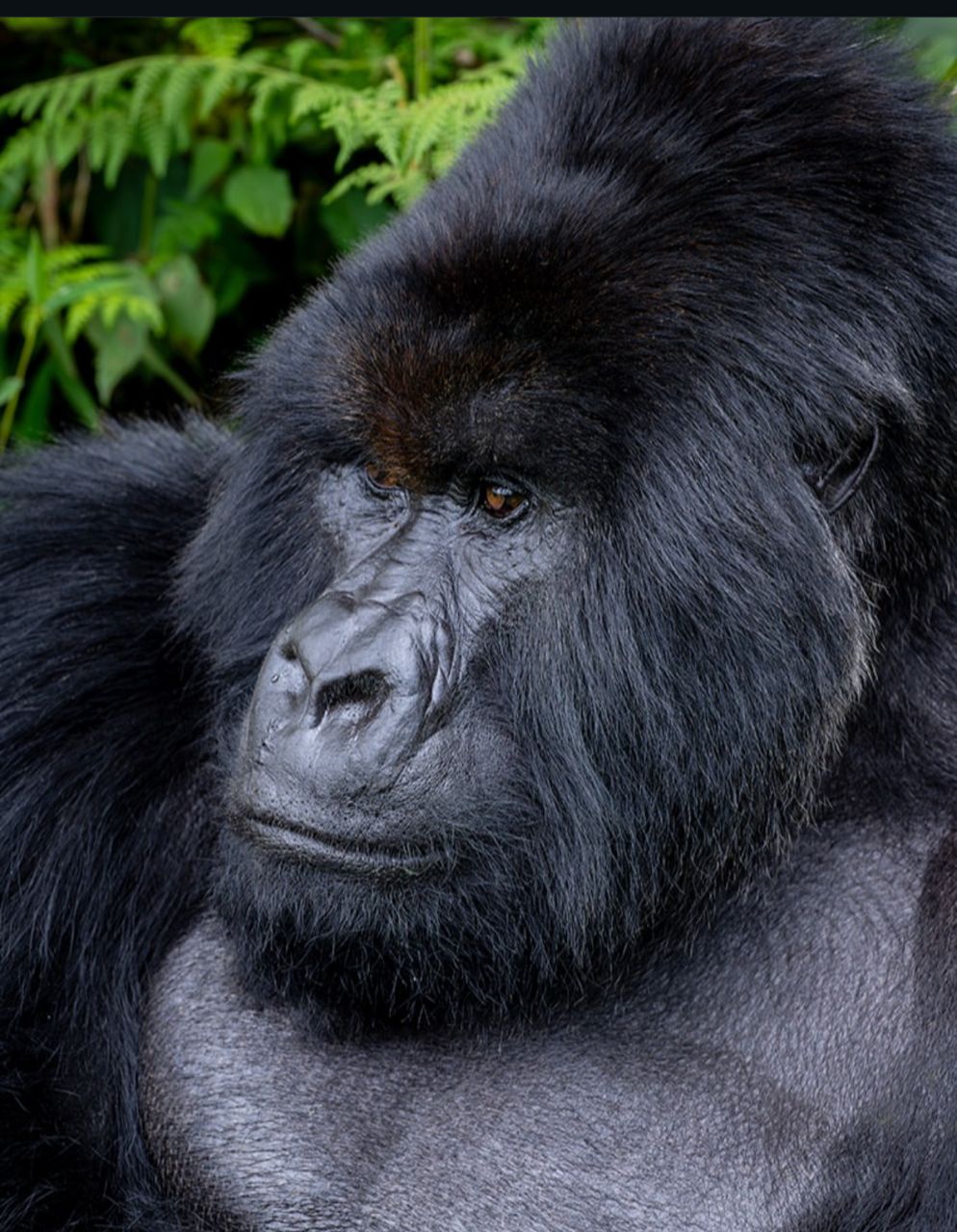
Whether you choose Rwanda or Uganda, the right preparation will help you focus on the extraordinary experience of meeting mountain gorillas in the wild.
Let PM Safaris Plan Your Gorilla Trekking Adventure
At PM Safaris, we assist with gorilla permit arrangements, accommodation, transportation, professional guiding, and personalized safari itineraries in Rwanda and Uganda. Let us help you prepare for a seamless and memorable journey.